Beyond Blame: Building Safety Culture by Addressing Competing Priorities

Over the course of my career at Marathon Petroleum Company, I had many opportunities to get Safety Leaders together for meetings, Safety Summits, and business reviews. At some point during these sessions, the discussion always included incidents and the review of recent incident and accident reports, I often asked the question “How many times have you read an incident report and asked yourself (or were asked by your Boss)...”Why would our employee do that...take that short cut, use the wrong tool, take that risk”? Almost everyone attending would say that they had wondered about this. On the surface many incidents can seem “random” or not in alignment with the company safety culture.
Unfortunately, it is likely that your organization is influencing or even encouraging your workforce to take that short-cut or use whatever work-around is at hand.
Marathon Petroleum Company maintained a strong commitment to safety; the observations that follow reflect broader, industry-wide dynamics I have encountered in my range of roles in safety leadership.
The Need to Look Deeper
When an employee uses the wrong tool, takes a shortcut, or skips critical steps in a safety procedure, it’s easy to assume the problem lies with the individual. But these actions often reflect deeper organizational influences. If many of your incidents feel random or unpredictable, it’s likely a sign that something more systemic is at play. Behavior does not happen in isolation. It is shaped by culture that has been established at your company; how expectations are communicated, what gets rewarded, and the cultural signals employees receive every day.
Looking at it from a high level, employees make decisions within the framework their organization creates. When that framework emphasizes production speed, cost control, or schedule pressure, intentionally or not, it nudges people toward decisions that may conflict with safety expectations.
I will give you a recent example. I was talking to the Leadership of a contractor company that had experienced a very serious incident. During the discussion, the company leaders talked about the extensive safety procedures that they had in place for conducting the operation that resulted in the incident. However, on the day of the incident the employees and the supervisor did not follow the established procedures for job site set up and tool maintenance which created the circumstances for the serious incident. To the Leadership of this company the incident seemed random. They had written procedures and had trained everyone on those procedures. As the discussion progressed, they admitted that they rarely if ever checked (audited) compliance with the procedures and even admitted the primary way that they incentivized their employees was based on how fast they could get their jobs done, Furthermore, the Supervisors were rewarded, both with incentives and by getting the pick of the best jobs if they could beat schedules and get more work done
By looking just a little deeper at this incident, it became apparent that these were not acts of carelessness or defiance by the employees. They were a rational response to competing priorities. This organization was influencing behavior. The question is whether they were doing so consciously or were just too focused on getting more jobs and expanding their market share of that business line.
Executives and higher-level leaders use incentives, performance systems, and metrics to drive outcomes and build a culture. Systems are strategic and often good for the organization. But all too often, these strategies and objectives do not reach the front lines creating organizational misalignment between the stated strategies and objectives and how the work is really getting done in the field.
Consider this scenario. Front line Supervisors are held accountable for hitting targets or metrics for production and safety. These same Supervisors have likely come up through the ranks and are very familiar with the production metrics and how to get the work done. Unfortunately, it has been my experience that these same Supervisors have not received any tools or training to lead for safety. Because many of these Supervisors came up through the ranks and were good craftsmen or workers themselves, they very likely are not even aware or recognize the ways their messaging, priorities, or body language shape how their crews respond to risk. And when they are unaware of these dynamics, unsafe behaviors are treated as isolated, random issues, rather than symptoms of deeper systemic organizational misalignment.
This misalignment is compounded when incentives are disconnected from non-production related objectives, e.g., working safely. If frontline leaders are rewarded for throughput but not for identifying and reducing risk, then safety becomes secondary. Workers are smart. They notice the gap between what their leaders say and what they actually prioritize. When that gap widens, trust and safety culture erodes, and so does the willingness to participate in positive safety culture programs which promote speaking up about hazards and risks in the workplace, and ongoing identification of measures to reduce risk.
Knowing What is Going On In The Field
Another common organizational issue is that many managers and supervisors are one step removed from the way work gets done. They often rely on how the work got done when they were the ones doing the work before they moved into a supervisory role. They might also rely on procedure documents or planning meetings to understand the job, rather than walking the job site or engaging with the workers performing the task. As a result, friction points are easy to overlook. Items like tight spaces, tool substitutions, or workaround routines that field crews manage every day are not well understood. When those realities go unrecognized, it is easy to default to surface-level fixes or blame rather than digging into meaningful hazard recognition and mitigation.
What my 30+ years of experience shows is that lasting safety improvement does not come from tightening rules or increasing oversight. It comes from engaging Supervisors and employees in your safety programs, setting expectations for your workforce to identify hazards and risks in their workplace, stop work if something is not right and recognizing and rewarding all levels of the organization for meeting those expectations and creating this inclusive safety culture.
Organizations that want better outcomes must look inward, not just at what people do, but why they do it. They must examine the strategies, systems, pressures, and priorities that guide everyday decisions.
Bringing It Together: A Path Forward for Safety and Culture
Safety isn’t just about rules; it’s about systemic organizational alignment. To truly foster an engaged and inclusive Safety Culture:
- Know how work actually gets done: Get out in the field and engage the workforce to understand workflow pressures, organizational messaging, and identify disconnects.
- Align incentives with safety outcomes: Reward behaviors that align with company safety expectations; recognize and reward supervisors and workers who identify risks, stop unsafe work and identify sustainable and meaningful risk mitigation.
- Embed safety in the culture, not just the checklist: Move beyond slogans to authentic leadership and safety-supportive practices.
- Foster psychological safety, not blame: Build trust with Leaders and the workforce.
- Train & engage Supervisors as Safety Leaders: Pick supervisors that align with your Safety Expectations and train them how to be enthusiastic Safety Leaders.
Safety isn’t random, and neither is risk. When organizations start paying attention to how their systems shape behavior and how work is being done in the field, they can stop asking, “Why did that worker make that choice?” and start asking, “How did the system fail and how can we do better?” That’s how cultures change. And that’s how organizations turn safety from a slogan into how work gets done safely and everyone goes home to family, friends, and the reasons they work hard for every day!
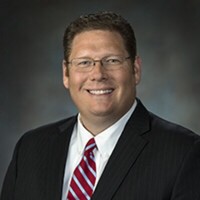
Fritz Kin, CSP, CET, CHMM, is the Chief Safety Officer at Valorian. With over 30 years of HSE leadership across industrial services, refining, and petrochemical environments, he is recognized for designing practical, field-tested safety programs that reduce risk and elevate performance. Fritz was honored with the 2023 AFPM Lifetime Achievement Award for advancing safety culture and innovation, and is widely respected for mentoring safety professionals and guiding executive teams through cultural transformation.
Organizations don’t improve safety by chance — they improve it by design.
If you’re interested in exploring how your systems and incentives are shaping behavior, we’d welcome the conversation.